What makes a brand film actually cinematic
It isn't the camera or the budget — it's intent, restraint, and the things you leave out.
Read article → Sasha Vega
6 min read
Sasha Vega
6 min read
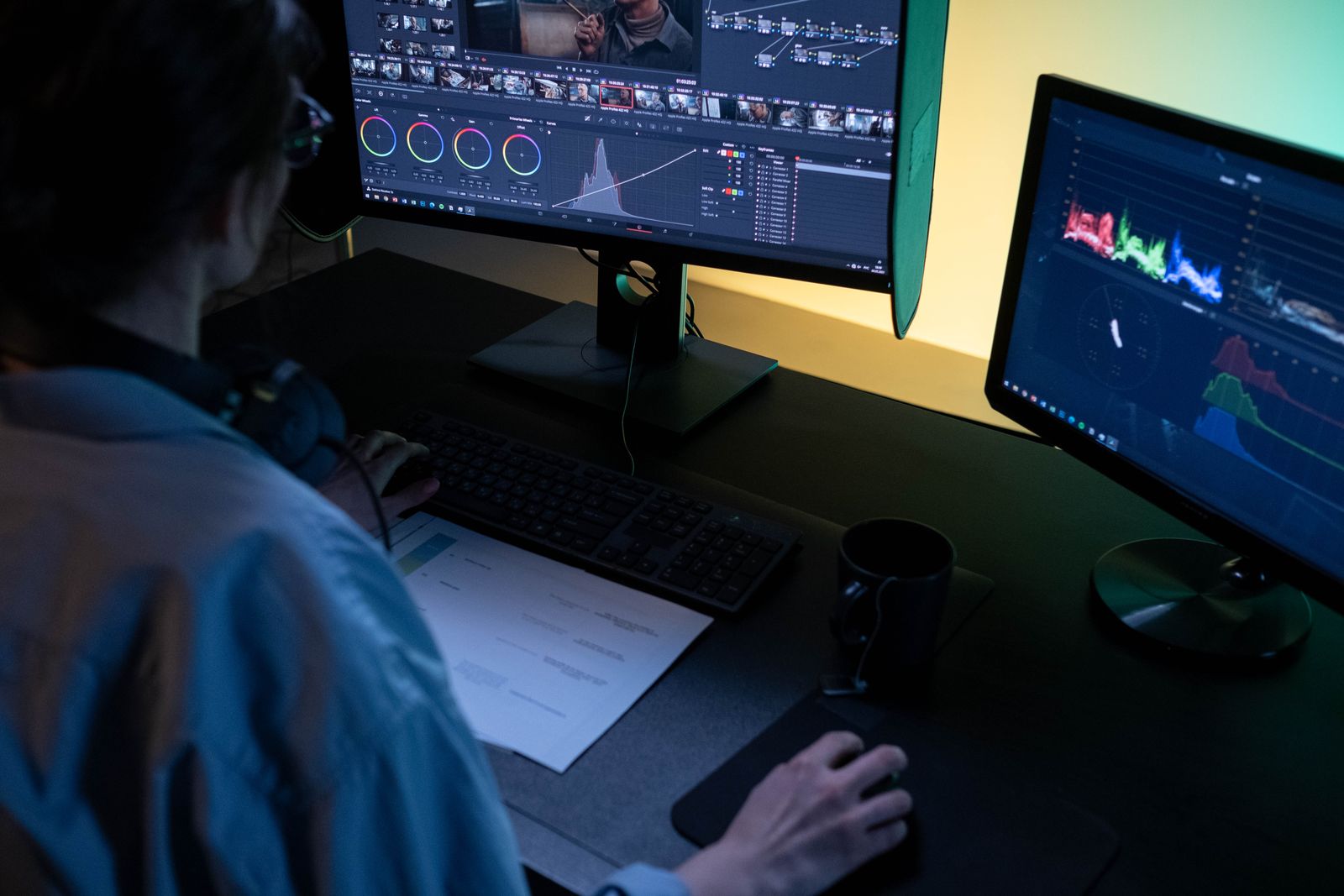
People assume the film is made on set. The shoot is loud and visible and expensive, so it gets the credit. But ask any editor and they'll tell you the same thing: the footage that comes back from a shoot is not a film. It's raw material — a pile of possibilities, some of them brilliant, most of them ordinary, none of them yet in order. The film doesn't exist until someone sits in a dark room and decides what to keep, what to lose, and in what order the truth arrives.
When I open a new project, I'm not looking at finished scenes. I'm looking at coverage — wide shots, close-ups, alternate takes, the moment before the actor thought we were rolling and the moment after they thought we'd stopped. Half of editing is reading that material honestly and noticing where the real thing lives, which is almost never where the script said it would be. The best take is frequently the one nobody planned.
This is why I'm suspicious of editors who cut to the script like it's a recipe. The script is a hypothesis. The footage is the evidence, and sometimes the evidence says the hypothesis was wrong. An editor's first job is to forget what the film was supposed to be and discover what it actually is. That's not a betrayal of the plan — it's the only way to honor what the shoot genuinely captured.
Where you cut changes what a moment means. Hold a shot a beat too long and discomfort creeps in. Cut a beat early and you create urgency, or you rob a line of its weight — same footage, opposite effect, decided entirely by timing. Rhythm isn't decoration laid on top of the story; rhythm is the story, delivered at the speed a human heart can absorb it.
I cut to the breath of a scene more than to the dialogue. When two people talk, the meaning is usually in the pause, the glance, the half-second before someone answers. Leave space for those and a flat exchange becomes alive. Trim them all out in the name of tightness and you get something efficient and dead. Tight is not the same as good.
The cut is invisible when it's right. Nobody notices a well-placed edit — they only notice the feeling it produced, and they credit the actor or the music for it.
My process is less about assembling and more about listening. A first assembly is always too long, too literal, too faithful to everything that was shot. The work after that is subtraction — and it follows a rough order I trust on almost every project:
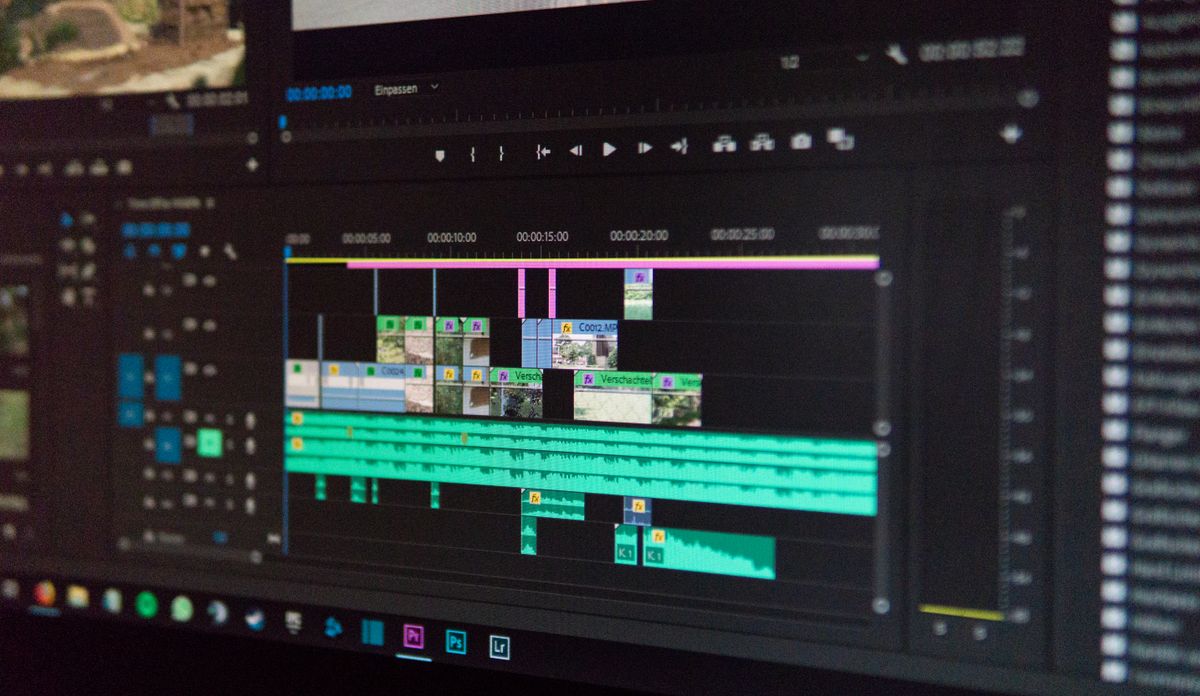
The edit suite is a strange, quiet place to make something so emotional. There's no crew, no clock counting down a shoot day, no client watching a monitor village. Just one person and a few hundred clips and the slow, stubborn work of finding the film that was always in there. It's lonely work, and it's the work I'd never give up.
So when someone asks where the magic of a film happens, I never say the set. The set gathers the ingredients. The edit decides what they mean. Give a great editor mediocre footage and they'll find a film in it; give a weak edit beautiful footage and you'll get a beautiful nothing. The story lives in the cut — and that's where we go looking for it.
Tell us about your brand and the story you want to tell. We'll bring the camera, the craft, and the point of view.