The edit is where the story lives
Footage is raw material. The cut is where rhythm, tension, and meaning are decided.
Read article → Theo Marsh
6 min read
Theo Marsh
6 min read
Clients ask us to make their video "more cinematic" almost every week, and they almost always mean the wrong thing. They mean a bigger camera, a slow-motion drone shot, an orange-and-teal grade. Those are symptoms, not causes. A film feels cinematic when every choice in it was made on purpose — and you can feel that purpose even if you could never name it. Cinematic is not a look you buy. It's a discipline you practice.
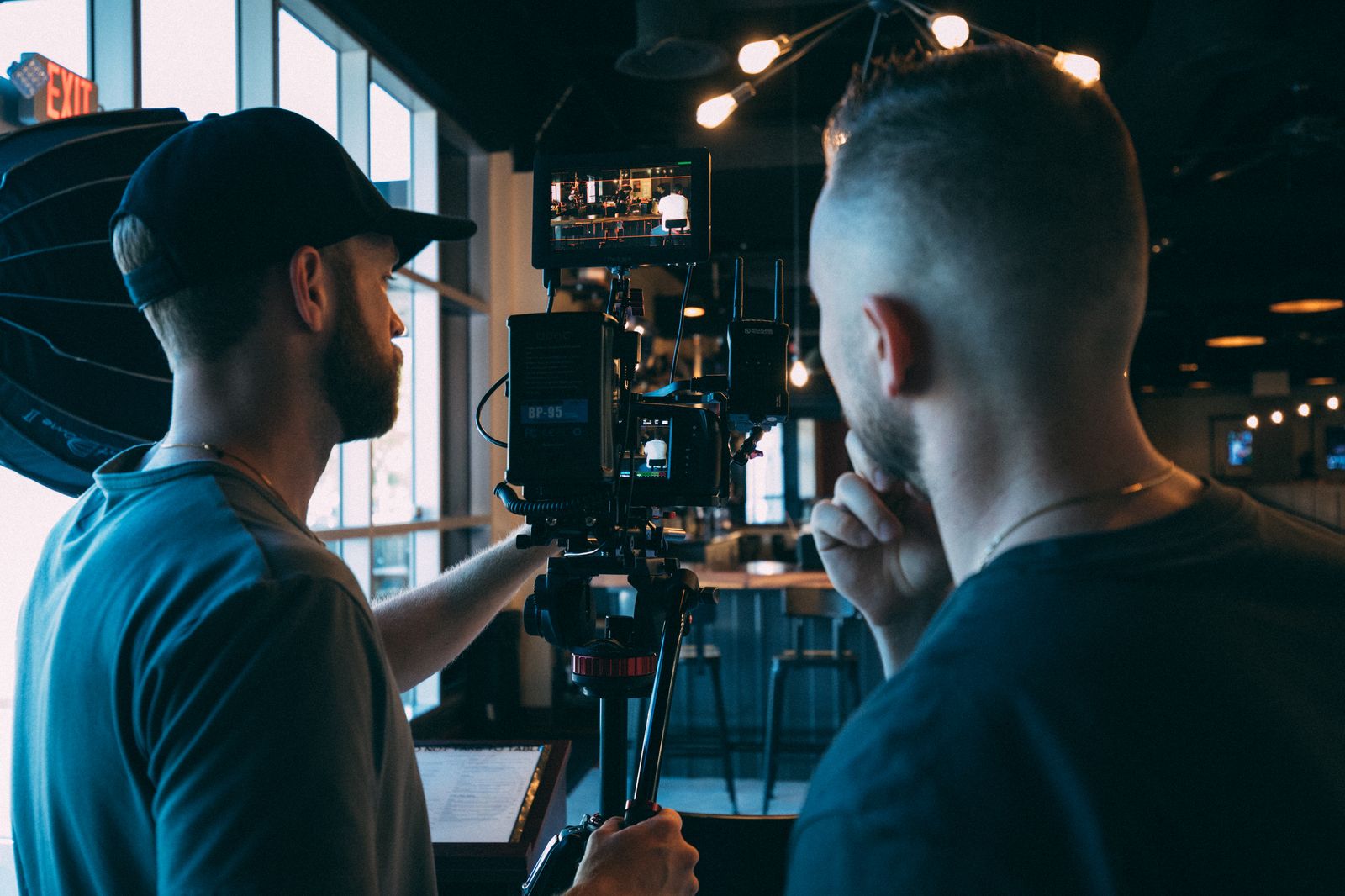
The most expensive camera in the world will happily record a boring frame in perfect resolution. We've shot brand films on cameras a tenth the price of the "industry standard" rig, and nobody watching could tell, because the questions that actually matter never appear in the spec sheet. Where is the lens pointed? Why is it there and not six inches to the left? What is in the light, and what have we chosen to let fall into shadow?
Gear is a tool for executing an intention. When there is no intention — when the plan is "we'll figure it out on the day" — no amount of glass or sensor saves you. The footage comes back technically clean and emotionally flat. Cinematic is a decision you make in pre-production, not a setting you find on set. Everything downstream is just keeping that decision alive.
A frame is an argument about what matters. The edges of the image are doing as much work as the center, because they tell the viewer where to stop looking. When we compose a shot, we're constantly subtracting — pulling props out of the background, killing a stray reflection, blocking an actor so the negative space carries weight. A cluttered frame says everything is equally important, which is another way of saying nothing is.
Light does the same job with tone. One hard source raking across a face reads as tension; a soft wrap reads as warmth and safety. You don't have to explain any of this to an audience — they decode it instantly, the same way they read a stranger's mood across a room. The craft is in choosing the emotional register first, then lighting toward it, instead of flooding the set evenly and hoping a feeling shows up in the grade.
If you can remove a shot, a line, or a light and the film still says what it needs to say — remove it. Restraint is the most cinematic instinct there is.
Pace is where most brand films quietly die. The instinct under pressure is to cram everything in: every feature, every value, every logo, every smiling stakeholder. The result moves fast but lands nowhere, because the viewer is never given a second to feel anything. Cinematic films breathe. They hold on a face a beat longer than feels comfortable. They let a room go quiet before the next idea arrives.
We think about pace in terms of what we're willing to protect. A few decisions earn their slowness, and we defend that time ruthlessly against the urge to fill it:
A corporate video becomes a story people remember when it trusts them. Trust looks like leaving the obvious unsaid, like resisting the on-screen text that explains the emotion you've already created, like cutting the testimonial that adds nothing the image hadn't already proven. Audiences are far more sophisticated than most briefs assume. Talk down to them and they feel it; give them a little space and they lean in.
That's the whole secret, and it isn't really a secret. Cinematic is care made visible — the accumulated weight of a hundred small decisions, each one asking does this serve the story, or just fill the frame? Make those decisions honestly and a brand film stops feeling like an ad and starts feeling like something worth watching. People don't remember resolution. They remember being moved, and then they remember who moved them.
Tell us about your brand and the story you want to tell. We'll bring the camera, the craft, and the point of view.